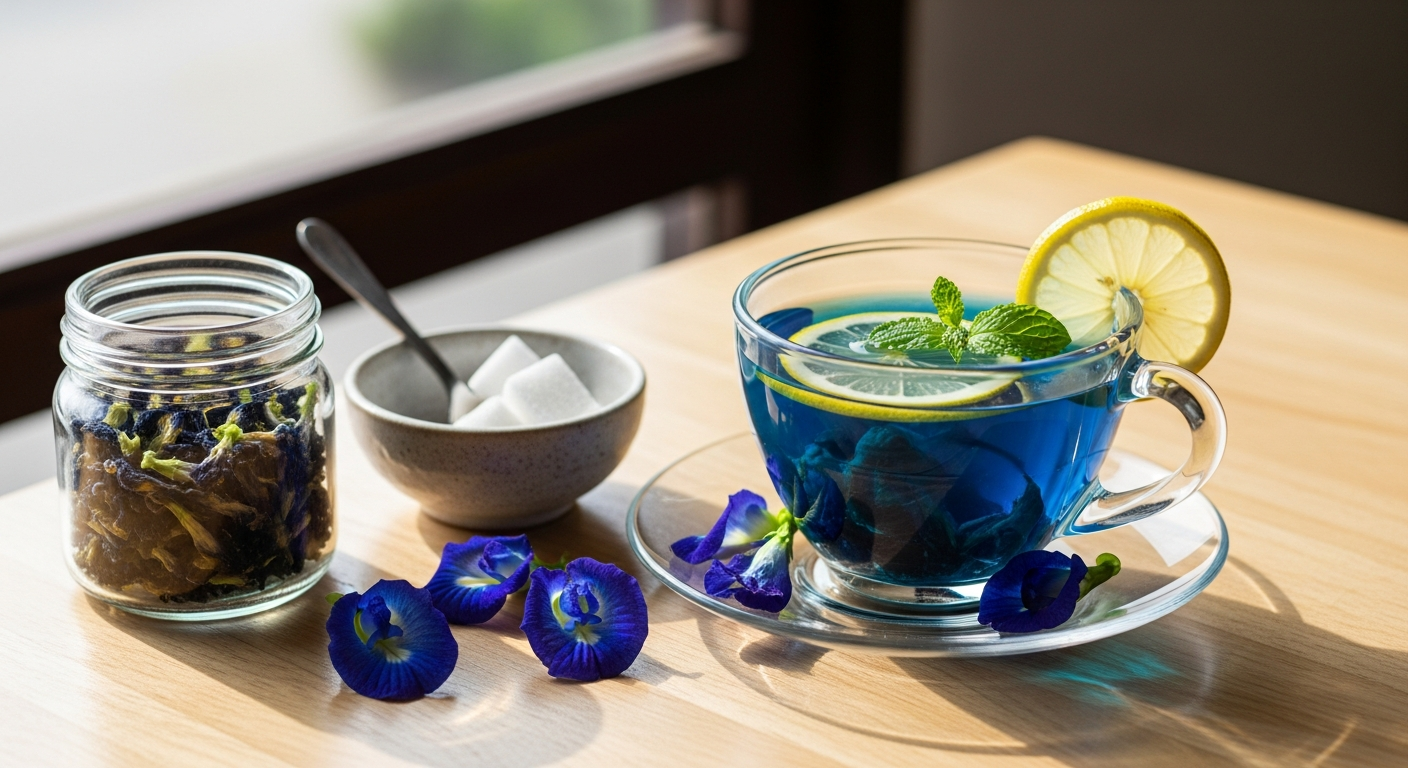
When the temperature drops, our immune systems often take a hit. Lemongrass and ginger are not just flavorful additions to your kitchen; they are “bioactive powerhouses” that work synergistically to fight respiratory infections.
1. Anti-Inflammatory & Analgesic Properties
Both lemongrass and ginger contain compounds that reduce inflammation in the throat and bronchial tubes. Ginger contains gingerols and shogaols, which act as natural pain relievers, soothing the “scratchy” feeling of a sore throat. Lemongrass contains citral, which helps inhibit the release of inflammation-causing markers in the body.
2. Natural Decongestant
Ginger is a well-known “thermogenic” herb, meaning it warms the body from the inside out. This warmth helps thin out mucus and phlegm, making it easier for your body to clear your airways. Combined with the steam from a hot cup of tea, it acts as a natural nebulizer for a stuffy nose.
3. Antimicrobial & Antibacterial Power
Lemongrass is rich in antimicrobial saponins and vitamin C. These components help the body fight off the bacteria and viruses that cause the common cold. Studies have shown that lemongrass essential oils can inhibit certain bacterial strains, providing a secondary line of defense for your immune system.
4. Rich in Antioxidants
Winter illnesses cause oxidative stress in the body. The high antioxidant content in this tea (specifically chlorogenic acid in lemongrass) helps scavenge free radicals, allowing your immune system to focus entirely on recovery.
How to Make the Perfect Winter Lemongrass Ginger Tea
To get the full medicinal benefits, fresh ingredients are always better than store-bought tea bags.
Ingredients:
- Fresh Lemongrass: 2 stalks (bruised and chopped)
- Fresh Ginger: 2-inch piece (sliced or crushed)
- Water: 3 cups
- Raw Honey: 1 tbsp (optional, for throat coating)
- Fresh Lemon: A squeeze for extra Vitamin C
Instructions:
- Bruise the Lemongrass: Use the back of a knife to bash the lemongrass stalks. This breaks the cell walls and releases the essential oils.
- Boil: Add the lemongrass and ginger to a pot of water. Bring to a rolling boil.
- Simmer: Reduce the heat and let it simmer for 10 minutes. The longer you simmer, the more potent the ginger spice will be.
- Strain & Serve: Strain the tea into a mug. Add honey and a squeeze of lemon once the tea has cooled slightly (extreme heat can destroy the enzymes in raw honey).
Q1: Can I drink lemongrass ginger tea every day?
Answer: Yes! This tea is naturally caffeine-free and safe for daily consumption. Drinking it regularly during winter can help maintain a strong immune barrier. However, if you are pregnant or on blood pressure medication, consult your doctor first as lemongrass can have a mild diuretic effect.
Q2: Does lemongrass ginger tea help with chest congestion?
Answer: Absolutely. The ginger stimulates circulation and acts as an expectorant, helping to loosen mucus in the lungs, while the warmth of the tea relaxes the muscles in the respiratory tract.
Q3: Is it better to drink this tea in the morning or at night?
Answer: For a cold, drinking it before bed is highly effective because it helps clear the sinuses and soothes the throat, allowing for better sleep. However, a morning cup is great for “waking up” your digestion and boosting metabolism.
Q4: Can kids drink lemongrass ginger tea?
Answer: Yes, in moderation. For children, it is best to dilute the tea slightly and add honey (only for children over 1 year old) to make the spicy ginger flavor more palatable.